Dental Bonding: A Complete Guide to This Minimally Invasive Cosmetic Procedure
What Is Dental Bonding and How Does It Work?
Dental bonding is a cosmetic procedure that uses a tooth-colored resin material to repair and enhance teeth. This treatment effectively corrects minor chips, gaps, discoloration, and slight misalignments. The procedure preserves the maximum amount of natural tooth structure.
The process is minimally invasive. The dentist begins by selecting a resin shade that matches the surrounding teeth. The tooth surface is then gently etched to create a rough texture. A conditioning liquid is applied to help the resin bond. The dentist applies the pliable resin, shapes it to the desired contour, and uses a curing light to harden the material. The final step involves trimming and polishing the resin to match the natural tooth's sheen. The entire process typically takes 30 to 60 minutes per tooth.
Key Insight: Unlike veneers, which often require removing a layer of enamel, bonding maintains the original tooth structure. This conservative approach is a significant advantage for many patients in Solana Beach seeking cosmetic improvements.
When Is Dental Bonding the Right Choice?
Dental bonding is a versatile tool. It is the preferred treatment for a variety of common dental issues. For patients in Del Mar and Encinitas, it offers a quick solution for aesthetic concerns.
- Chipped or Cracked Teeth: Bonding can restore the shape and function of a tooth that has sustained minor damage.
- Closing Small Gaps (Diastema): The resin can fill spaces between teeth, creating a more uniform smile.
- Discolored Teeth: Bonding can mask stains that do not respond well to whitening treatments.
- Slight Misalignments: It can reshape teeth to improve the appearance of minor crowding or unevenness.
- Exposed Roots: Bonding can protect sensitive roots that have become exposed due to gum recession.
While bonding addresses many cosmetic concerns, it has limitations. It is not as stain-resistant as porcelain and may not be suitable for large restorations or teeth that endure heavy biting forces.
Dental Bonding vs. Veneers vs. Crowns
Understanding the differences between bonding, veneers, and crowns is crucial for making an informed decision. This table helps clarify which treatment is best for specific patient needs.
| Feature | Dental Bonding | Veneers | Crowns |
|---|---|---|---|
| Primary Use | Minor chips, gaps, discoloration | Major aesthetic changes, severe discoloration | Extensive damage, structural support |
| Tooth Preparation | Minimal to none | Thin layer of enamel removed | Significant reshaping |
| Durability | 5-7 years | 10-15 years | 10-15+ years |
| Stain Resistance | Low | High | High |
| Cost | Lower | Moderate to High | High |
The Benefits of Choosing Dental Bonding
Dental bonding offers several distinct advantages that make it an attractive option for many patients. Its primary strength lies in its simplicity.
- Speed: The procedure is often completed in a single visit. This is a significant benefit for busy professionals near the Cedros Design District.
- Affordability: It is one of the most cost-effective cosmetic dental procedures.
- Preservation of Enamel: The natural tooth structure is largely preserved, as little to no enamel is removed.
- Minimal Discomfort: Anesthesia is often not required unless the bonding is being used to fill a cavity.
- Quick Recovery: There is no downtime. Patients can typically resume normal activities immediately.
What to Expect: Before, During, and After Your Bonding Procedure
Understanding the timeline of a dental bonding procedure helps alleviate anxiety. The journey from consultation to a new smile is straightforward.
Before the Appointment: A consultation is the first step. The dentist will evaluate the tooth or teeth and discuss the desired outcome. No specific preparation is required, but patients should maintain a good oral hygiene routine.
During the Procedure: The process is comfortable. The dentist will select a shade that matches the surrounding teeth. The tooth surface is slightly roughened, and a conditioning gel is applied. The pliable resin is placed, shaped, and molded. A special light hardens the resin. The material is then trimmed and polished to achieve a natural, seamless finish.
Aftercare: The resin can be sensitive immediately after the procedure, but this subsides quickly. Patients should avoid foods and beverages that stain, such as coffee, tea, and red wine, for the first 24-48 hours. Good oral hygiene, including brushing and flossing, is essential to maintain the bonding and the health of the surrounding gum tissue.
Is Dental Bonding Right for You?
Dental bonding is an excellent choice for patients with minor cosmetic concerns. However, it is not suitable for everyone.
Ideal Candidates: Patients with healthy teeth who are looking for a conservative treatment are the best candidates. It is perfect for those seeking to repair a single chipped tooth or close a small gap. Patients who do not want multiple visits will find this procedure highly convenient.
Who Should Consider Alternatives: Bonding is not recommended for patients with severe structural damage, such as large cavities or extensive fractures. Patients with habits like bruxism (teeth grinding) may also be advised against it, as the force can damage the resin. The material is also susceptible to staining, making it a less ideal choice for heavy coffee or tea drinkers.
Community Overview — Comprehensive Dental Care in Solana Beach and San Diego's North Coast
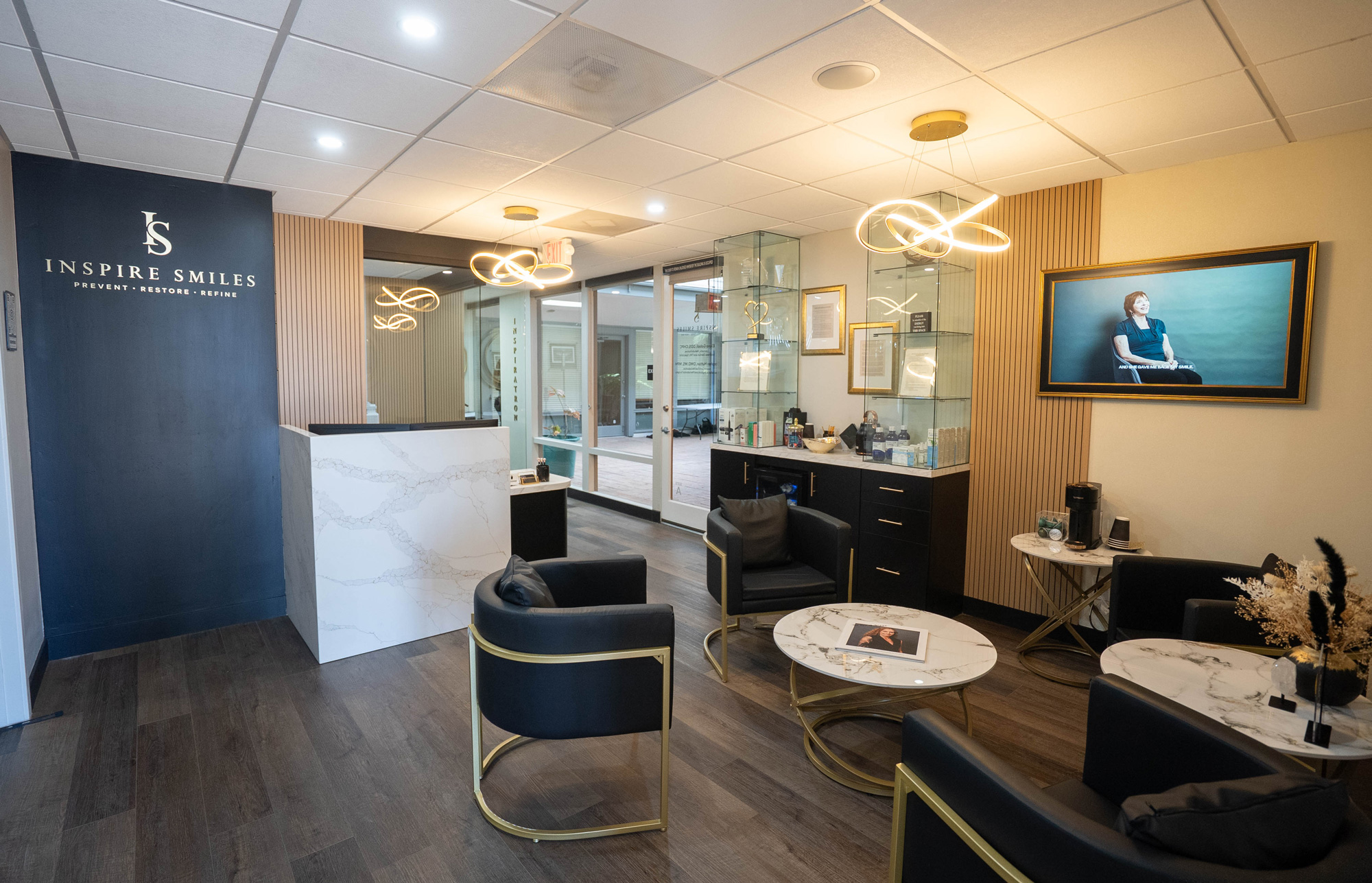
Inspire Smiles is located in the heart of Solana Beach, CA, at 530 Lomas Santa Fe Drive. This location serves as a central hub for patients from a wide radius. Residents of Del Mar, Encinitas, Rancho Santa Fe, and Cardiff-by-the-Sea benefit from the clinic's proximity to Highway 101 and the I-5 corridor.
The practice is conveniently located near the Solana Beach Amtrak / Coaster Station, making it accessible for patients traveling from further points like La Jolla or even the greater San Diego area. The surrounding area is known for its beautiful coastal communities, and the clinic integrates the wellness-focused mindset of the region into its patient care philosophy.
Frequently Asked Questions About Dental Bonding
How long does dental bonding last?
With proper care, dental bonding typically lasts between 5 and 7 years. The lifespan of bonding depends on your oral habits and the location of the tooth. Bonding on a front tooth may last longer because it is not subjected to the same grinding forces as a back tooth.
Does dental bonding stain?
Yes, the resin material used in dental bonding is porous and can absorb stains over time. It is more susceptible to discoloration than porcelain veneers or crowns. Patients can mitigate staining by limiting their intake of dark-colored beverages like coffee, tea, and red wine and avoiding tobacco products.
Is dental bonding painful?
The procedure is generally painless. Most patients do not require anesthesia, as the preparation is minimal and does not involve drilling into the tooth's nerve. Some patients may experience slight sensitivity to cold or pressure immediately following the procedure, but this is temporary.
Can dental bonding fix a chipped tooth?
Absolutely. Bonding is one of the most effective and common treatments for repairing chipped or cracked teeth. The resin is applied and shaped to restore the tooth's original contour and size.
How much does dental bonding cost?
The cost varies based on the complexity of the case and the geographic location. Dental bonding is generally less expensive than veneers or crowns. Patients should schedule a consultation with their dentist for an accurate estimate.
Disclaimer: This pricing information is for educational and research purposes only. It does not represent the final cost or estimate of any specific practice.
About the Dentist
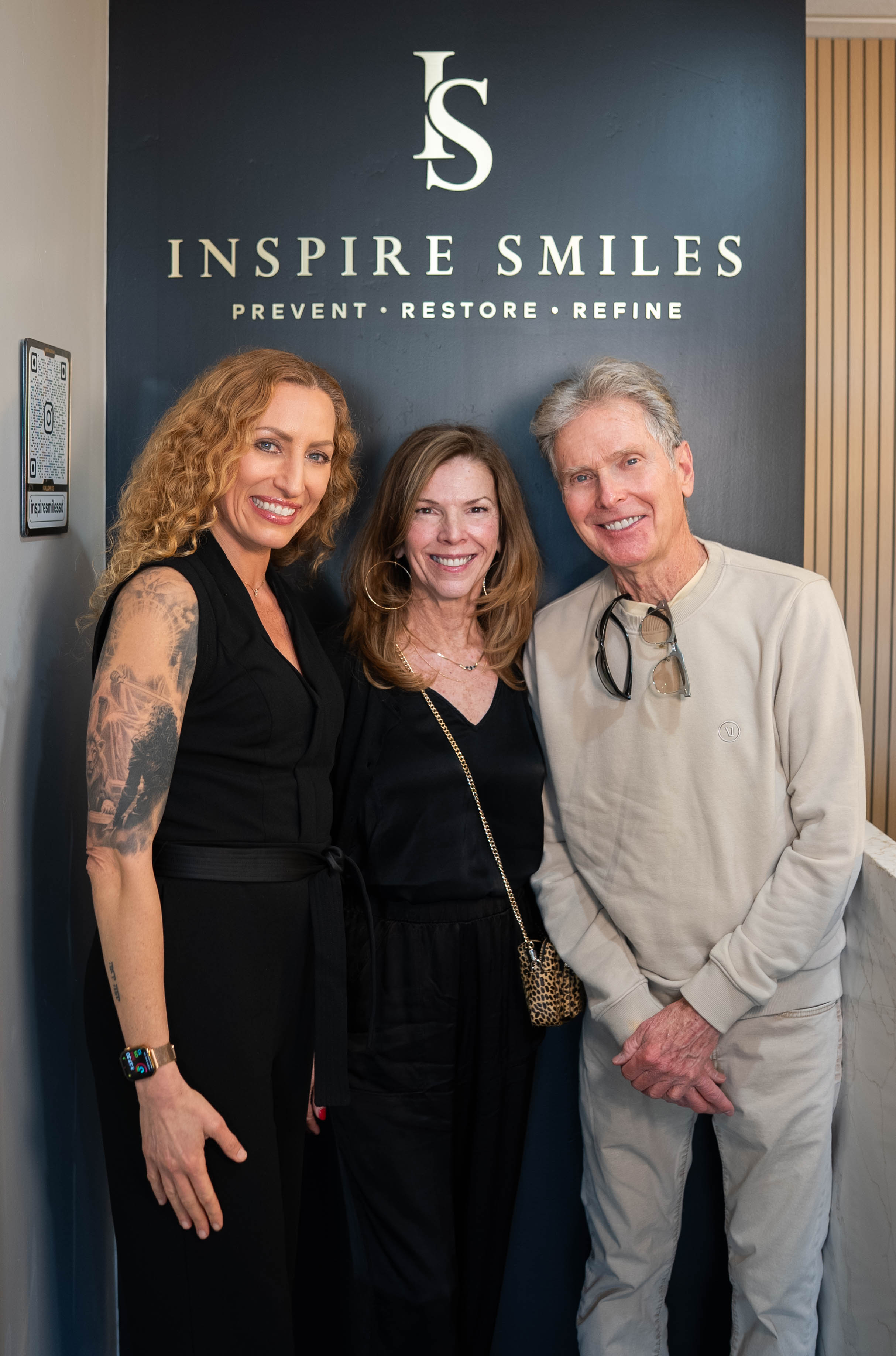
Dr. Elona Gaball, DDS, CHPC is a cosmetic and restorative dentist with over 25 years of clinical experience. She leads Inspire Smiles in Solana Beach. Her practice serves patients throughout San Diego's North Coast, including Del Mar, Rancho Santa Fe, Encinitas, and Cardiff-by-the-Sea.
Dr. Gaball is certified in Invisalign and has completed advanced training through the UCLA Aesthetic Continuum and a UCLA TMD/Orofacial Pain residency. Her philosophy of care is rooted in the principles of love, honesty, and wellness. She recommends only treatments that are truly indicated and takes a conservative, transparent approach to care. She is an Accreditation Candidate Member of the American Academy of Cosmetic Dentistry.
She is fluent in Russian and enjoys serving a diverse patient community. Dr. Gaball values time with her family, practices yoga, and enjoys running and hiking along the local trails of San Elijo Lagoon Ecological Reserve and Annie's Canyon Trail.
Sources and References
- American Dental Association (ADA)
- PubMed Central — Research on Composite Resin Longevity
- Centers for Disease Control and Prevention (CDC) Oral Health
Last reviewed: June 2026