Dental Bonding vs. Veneers: A Detailed Comparison for Cosmetic Smile Enhancement
Introduction
Dental bonding and veneers are two of the most popular cosmetic dental procedures. Both treatments dramatically improve the appearance of teeth. Both address issues like chips, gaps, discoloration, and minor misalignments. However, they differ significantly in their approach, durability, cost, and the level of tooth preparation required.
This guide provides a comprehensive comparison of bonding and veneers. It helps patients understand which option may be better suited for their specific needs and goals. The information is based on established dental practices and clinical guidelines from authoritative sources.
Key Insight: The choice between bonding and veneers often comes down to a trade-off between cost and longevity. Bonding is more affordable and less invasive, but veneers offer superior stain resistance and durability.
What Is Dental Bonding and How Does It Work?
Dental bonding is a procedure that uses a tooth-colored composite resin. This resin is applied directly to the tooth surface. The dentist shapes and sculpts the material to correct imperfections. A curing light hardens the resin. The result is a natural-looking restoration.
The process is minimally invasive. The dentist typically does not need to remove any of the natural enamel. This preservation of tooth structure is a significant advantage. The procedure is usually completed in a single visit. It requires little to no anesthesia. Bonding is an excellent option for patients seeking a quick and affordable cosmetic improvement.
What Are Veneers and How Do They Differ?
Veneers are thin, custom-made shells. They are typically made from porcelain or composite resin. These shells are bonded to the front surface of the teeth. Porcelain veneers are the most common type and are highly durable and stain-resistant.
The preparation for veneers involves removing a thin layer of enamel. This ensures the veneer sits flush with the surrounding teeth. The procedure requires two or more visits. The dentist takes impressions, and a dental laboratory fabricates the veneers. Temporary veneers are placed in the interim. Veneers provide a dramatic, long-lasting transformation.
| Comparison Factor | Dental Bonding | Porcelain Veneers |
|---|---|---|
| Tooth Preparation | Minimal to none; enamel preserved | Thin layer of enamel removed (0.3-0.5mm) |
| Procedure Time | Single visit (30-60 minutes per tooth) | Two or more visits (2-3 weeks for lab fabrication) |
| Durability | 5-7 years | 10-15 years (with proper care) |
| Stain Resistance | Low; porous resin absorbs stains | High; glazed porcelain is non-porous |
| Cost | Lower; more affordable | Higher; significant investment |
| Repairability | Easily repaired with additional resin | Difficult to repair; often requires replacement |
| Ideal For | Minor chips, small gaps, single-tooth issues, budget-conscious patients | Major aesthetic changes, severe discoloration, multiple teeth, long-term solution |
Pros and Cons: Bonding vs. Veneers
Dental Bonding
- Pros: Affordable, quick, preserves natural enamel, easily repaired, requires no anesthesia, single visit.
- Cons: Less durable, prone to staining, may need replacement sooner, not suitable for large restorations.
Porcelain Veneers
- Pros: Long-lasting, highly stain-resistant, natural appearance, provides dramatic transformation, stronger than bonding.
- Cons: Expensive, irreversible enamel removal, multiple visits, difficult to repair, requires temporary veneers.
Which Procedure Is Right for You?
Choosing between bonding and veneers depends on several factors. These include the patient's dental condition, budget, aesthetic goals, and long-term expectations.
Choose Bonding If: You have minor cosmetic issues like a small chip, a single discolored tooth, or a small gap. You have a limited budget. You want a quick, conservative solution without permanent alteration to your teeth. You are willing to accept the need for maintenance or replacement in the future.
Choose Veneers If: You are seeking a long-term, comprehensive smile transformation. You have multiple cosmetic issues. You want a result that is highly durable and stain-resistant. You are prepared for the financial investment and the irreversible nature of the procedure.
Patients near the Solana Beach Coaster Station and throughout San Diego's North Coast can consult with a cosmetic dentist to explore both options.
Cost Considerations: Bonding vs. Veneers
Cost is a significant factor for many patients. Dental bonding is generally much more affordable than porcelain veneers. The cost of bonding depends on the complexity of the case and the number of teeth being treated.
Veneers are a significant investment. They require laboratory fees, specialized materials, and more chair time. The cost can be two to three times higher than bonding. However, the longevity of veneers often makes them a cost-effective option in the long run.
Disclaimer: This pricing information is for educational and research purposes only. It does not represent the final cost or estimate of any specific practice. Patients should schedule a consultation with their dentist for an accurate estimate based on their individual case.
Frequently Asked Questions About Bonding vs. Veneers
Can bonding look as natural as veneers?
Yes, bonding can look very natural. A skilled dentist can match the resin color and shape to blend seamlessly with surrounding teeth. However, porcelain veneers often have a more lifelike translucency and are better at mimicking natural enamel.
Do veneers require more maintenance than bonding?
Both require good oral hygiene. Bonding requires more maintenance because the resin is softer and more prone to staining. Veneers require routine care but are more resistant to stains and wear. Both require regular dental check-ups.
Can I get veneers if I grind my teeth?
Patients with bruxism may still be candidates for veneers. However, they will likely need a nightguard to protect the veneers from damage. The grinding force can chip or crack porcelain. A dentist will evaluate the severity of the grinding before recommending treatment.
Which procedure is more reversible?
Bonding is considered reversible because it does not require enamel removal. Veneers are irreversible because the process permanently alters the natural tooth structure.
How do I decide between bonding and veneers?
The decision depends on your budget, aesthetic goals, and the condition of your teeth. A consultation with a cosmetic dentist is the best way to determine which option is right for you. The dentist will assess your teeth and discuss your expectations.
About the Dentist
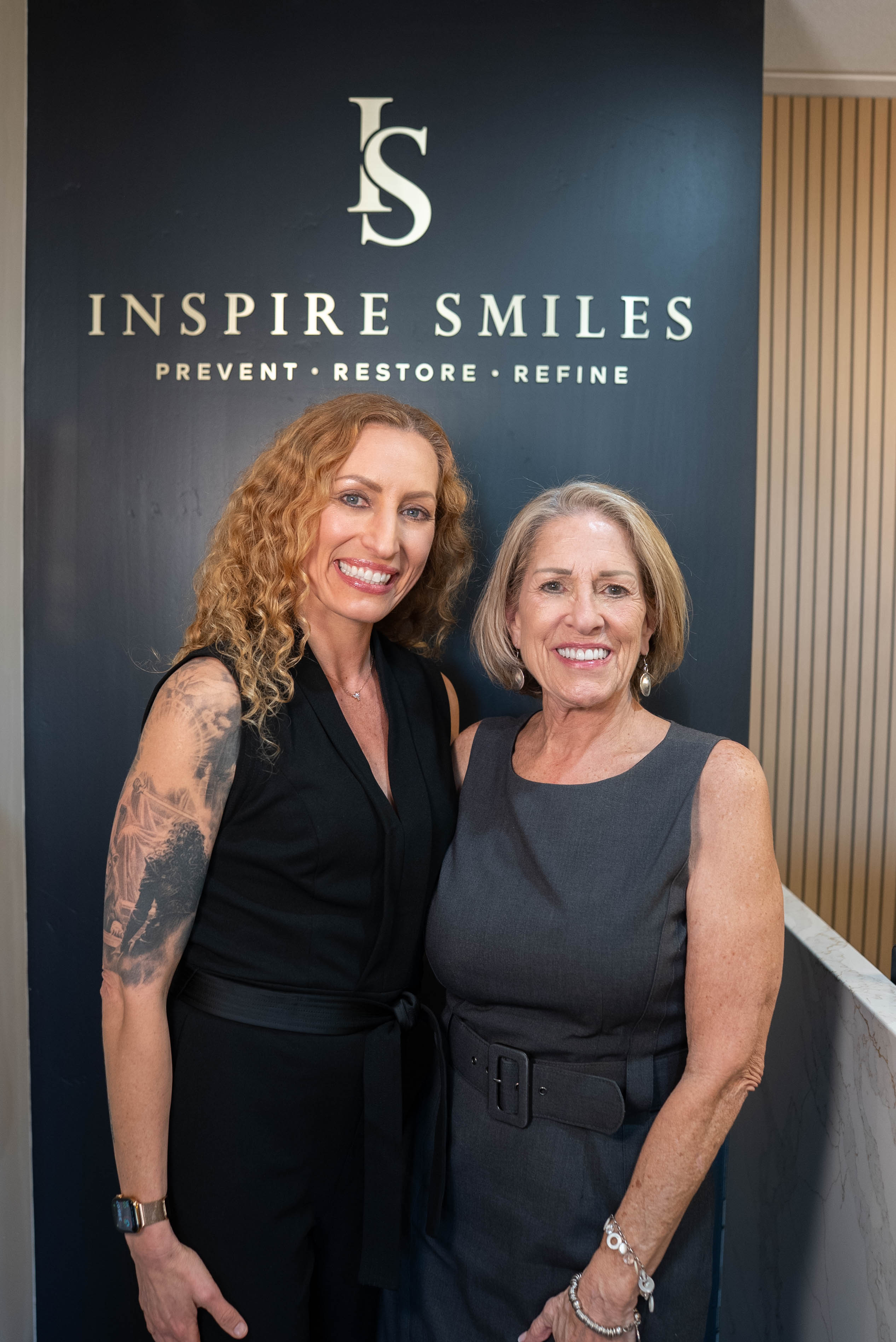
Dr. Elona Gaball, DDS, CHPC is a cosmetic and restorative dentist with over 25 years of clinical experience. She leads Inspire Smiles in Solana Beach, CA, serving patients throughout San Diego's North Coast.
Dr. Gaball is certified in Invisalign and has completed advanced training through the UCLA Aesthetic Continuum and a UCLA TMD/Orofacial Pain residency. Her philosophy of care is rooted in the principles of love, honesty, and wellness. She is an Accreditation Candidate Member of the American Academy of Cosmetic Dentistry.
Sources and References
- American Dental Association (ADA)
- PubMed Central — Porcelain Veneers vs. Composite Bonding
- American Academy of Cosmetic Dentistry (AACD)
Last reviewed: June 2026